Writing Strand
Welcome back to my literacy blog!
In this post, I am going to talk about writing. I will cover the types of writing, writing processes, various activities, and strategies for teachers as well as strategies for students to use.
Types of writing
There are four types of writing that students are being introduced too. The four types are Expository, Persuasive, Descriptive and Narrative. Every piece of writing has a specific purpose and it is up to the writer to decide. Since there are various types of writing it is important to teach our students so that they can have a clear idea of the writing they are engaging in.


The writing process involves teaching students to write in a variety of genres while encouraging creativity and incorporating writing conventions (ReadWriteThink). The writing process has five processes which include, prewriting, drafting, revising and editing, rewriting, and publishing.
Prewriting - Within the prewriting process students develop their plans through brainstorming and considering the type of story they are telling. This process can happen individually or collaboratively.
Drafting - Then, students will begin writing and will typically work independently.
Revising & Editing - This is the time for students to revise and edit their work as well as their peers.
Rewriting - Students will then use the changes made in the previous stage to rewrite their final piece.
Publishing - This is the final stage where students publish their work, which can be done through a presentation, drama, bulletin board, school newsletter or website. Be creative with this process.


Activities, Resources & Strategies for Teachers
At times it is overwhelming to find activities, resources, and strategies that work for your students.
The video below is about a daily writing strategy which has students write for seven minutes straight. This is a strategy that I will incorporate in my upcoming internship block. It is a great way for students to get all of their ideas down on a specific prompt and then have a peer share time. A benefit of this strategy is that it can be a collaborative learning experience.
To explore more engaging writing activities click here.

Resources
http://www.readwritethink.org/professional-development/strategy-guides/implementing-writing-process-30386.html
https://www.teachwriting.org/blog/2017/6/14/12-strategies-to-support-struggling-writers-in-elementary
https://www.verywellfamily.com/four-types-of-writing-620805
https://www.edutopia.org/article/power-short-writing-assignments
https://justaddstudents.com/fun-writing-activites/
http://www.edu.gov.on.ca/eng/curriculum/elementary/language18currb.pdf
In this post, I am going to talk about writing. I will cover the types of writing, writing processes, various activities, and strategies for teachers as well as strategies for students to use.
Types of writing
There are four types of writing that students are being introduced too. The four types are Expository, Persuasive, Descriptive and Narrative. Every piece of writing has a specific purpose and it is up to the writer to decide. Since there are various types of writing it is important to teach our students so that they can have a clear idea of the writing they are engaging in.
The Writing Process
The writing process involves teaching students to write in a variety of genres while encouraging creativity and incorporating writing conventions (ReadWriteThink). The writing process has five processes which include, prewriting, drafting, revising and editing, rewriting, and publishing.
Prewriting - Within the prewriting process students develop their plans through brainstorming and considering the type of story they are telling. This process can happen individually or collaboratively.
Drafting - Then, students will begin writing and will typically work independently.
Revising & Editing - This is the time for students to revise and edit their work as well as their peers.
Rewriting - Students will then use the changes made in the previous stage to rewrite their final piece.
Publishing - This is the final stage where students publish their work, which can be done through a presentation, drama, bulletin board, school newsletter or website. Be creative with this process.
Writing Strategies for Students
There are countless strategies available for students to use throughout their writing process. Whitney (2017) outlines 12 strategies for students as shown in the image to the right. Two of the strategies I love to use are graphic organizers and student choice.
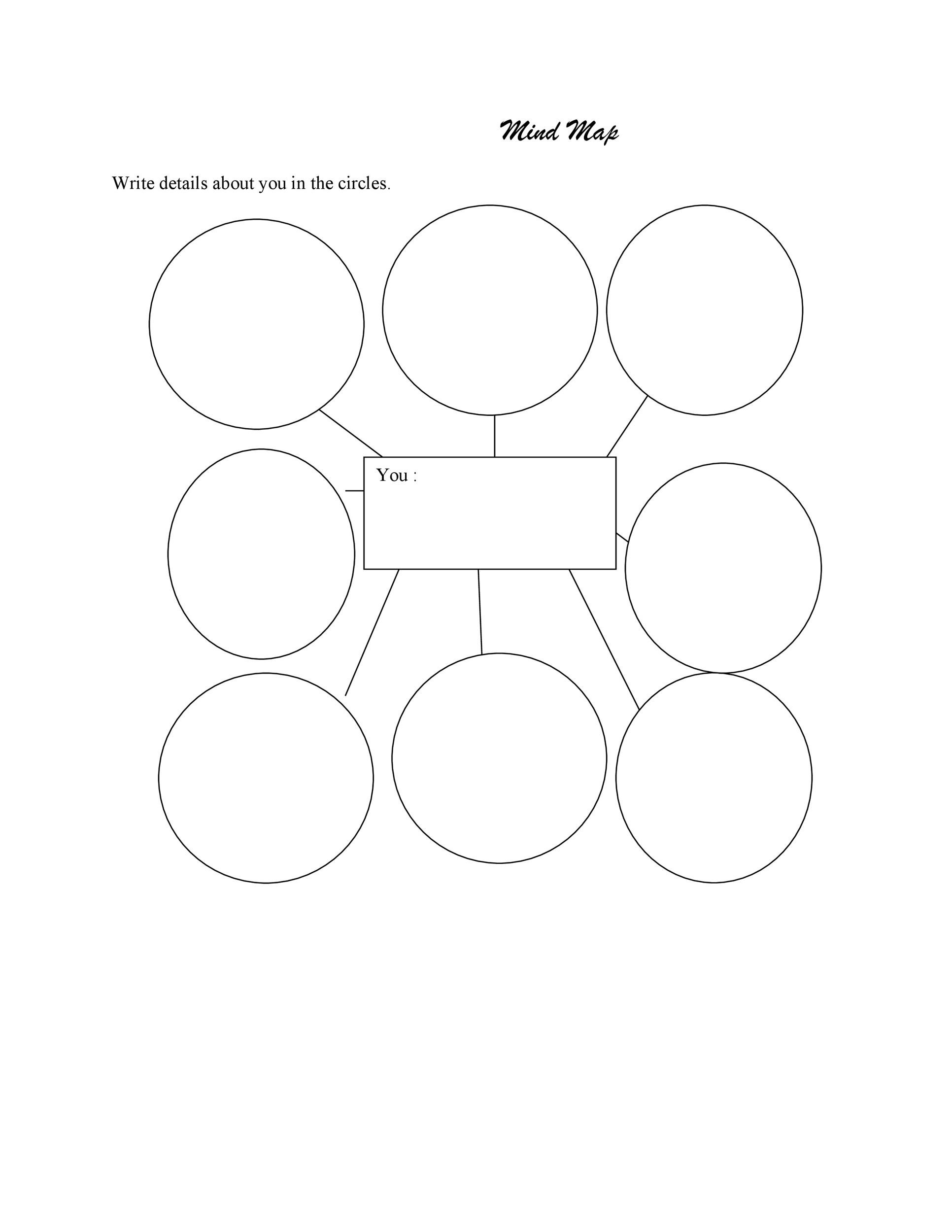
Graphic organizers are a great way for students to visualize and map out their writing. There is a variety of graphic organizers to choose from click here to take a look at some. My favorite graphic organizer is a mind map as it is a great tool to use in the prewriting process to get all of your ideas and thoughts out. Below are two examples of mind maps.
Student choice is important within any subject, however, in writing it is always a good idea to allow students free range. If students feel more connected and interested in the topic they are discussing they will be more engaged.

Activities, Resources & Strategies for Teachers
At times it is overwhelming to find activities, resources, and strategies that work for your students.
The video below is about a daily writing strategy which has students write for seven minutes straight. This is a strategy that I will incorporate in my upcoming internship block. It is a great way for students to get all of their ideas down on a specific prompt and then have a peer share time. A benefit of this strategy is that it can be a collaborative learning experience.
Another great strategy to utilize is prompts. For some students, the hardest part about writing is coming up with ideas. Edutopia has provided over 50 prompts for all grades. To explore their prompts click here.
There are some great apps available to teachers. Apps are a great tool to use as some students struggle with physically writing and will excel while typing. An app such as google docs is beneficial as it is a collaborative word document. Students can work collaboratively or individually and then share their work directly with the teacher. Book Creator is an app where students can create their own books online. This allows students to take ownership of their work and become published.
To explore more engaging writing activities click here.
-
Conclusion
Overall, writing is a fundamental skill in which most individuals could improve on. As a teacher, we are responsible for creating lessons and activities which engage our students in writing. Our aim should be to produce writers who are passionate. The overall expectations of the writing strand within the Ontario Language Arts curriculum (2006) focus "on the elements of effective writing and on the stages of the recursive writing process" (p. 13). Not only do we want to produce passionate writers, but we also want our students to be effective in their writing abilities and writing processes.Conclusion
Thank you for taking the time to read my thoughts on writing. I hope you come back next time as I will be discussing oral communication.
Katie Giancola

Resources
http://www.readwritethink.org/professional-development/strategy-guides/implementing-writing-process-30386.html
https://www.teachwriting.org/blog/2017/6/14/12-strategies-to-support-struggling-writers-in-elementary
https://www.verywellfamily.com/four-types-of-writing-620805
https://www.edutopia.org/article/power-short-writing-assignments
https://justaddstudents.com/fun-writing-activites/
http://www.edu.gov.on.ca/eng/curriculum/elementary/language18currb.pdf
Comments
Post a Comment